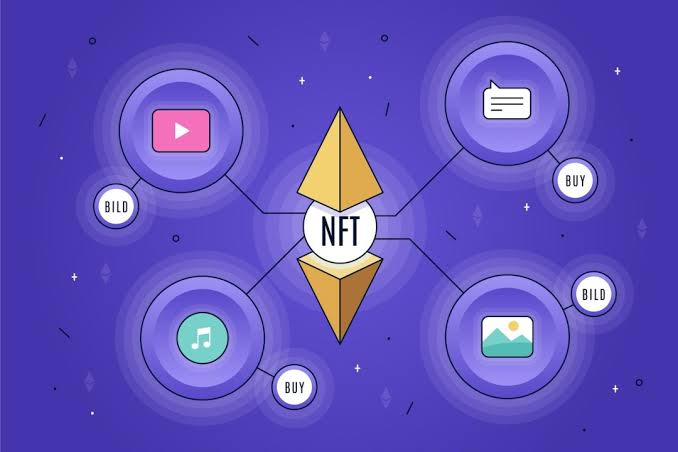
Digital technology has changed how people communicate, shop, work, and invest. It has also created a new type of ownership through digital collectibles. These items can include digital art, game characters, music, virtual clothing, profile pictures, trading cards, and online event passes. Each collectible can hold unique value because its ownership can be recorded and verified through blockchain technology.
Digital collectibles have become part of a growing online economy. Artists, businesses, game developers, and collectors now use them to exchange value in new ways. As virtual spaces continue to grow, these assets may play an important role in the future economy.
What Are Digital Collectibles?
Digital collectibles are unique items that exist in a digital format. Unlike a normal image that anyone can copy, a digital collectible includes a record that identifies its official owner. This record often appears on a blockchain, which works as a secure and public database.
Many digital collectibles use non-fungible token technology. The word “non-fungible” means that the item cannot be replaced by an identical unit. One Bitcoin can be exchanged for another Bitcoin, but a unique digital artwork cannot always be exchanged for another piece with the same value.
Collectors may buy these items because they enjoy the design, support the creator, want access to a community, or expect the asset to increase in value.
How Digital Ownership Works
Traditional online content is easy to copy and share. A person can save an image, download a song, or take a screenshot within seconds. However, copying a file does not provide official ownership of the original digital asset.
Blockchain records can show who created an item, when it was sold, and who currently owns it. This ownership history may help buyers check whether an asset is real. It can also reduce the risk of fake collectibles entering a marketplace.
A collector may store the asset in a digital wallet. The wallet provides access to the ownership record and allows the owner to sell, transfer, or display the collectible.
New Opportunities for Artists
Digital collectibles have opened new income opportunities for artists and designers. In the past, artists often depended on galleries, publishers, agencies, or large online platforms. These middle parties could control prices and take a large part of the earnings.
Digital marketplaces allow creators to sell work directly to their audience. An artist can release a limited collection, set a price, and communicate with buyers without using a traditional gallery.
Some systems also let creators earn a royalty whenever the collectible is resold. This feature may provide long-term income. For example, creators of a tuff icon collection may continue earning as their work changes hands in the digital market.
Digital Collectibles in Gaming
The gaming industry may become one of the largest users of digital collectibles. Players already spend money on character skins, weapons, vehicles, badges, and virtual land. However, these items usually remain under the control of the gaming company.
Blockchain-based assets may give players more ownership. A player could buy a rare item, use it during gameplay, and later sell it to another player. In some cases, developers may allow people to use the same asset across different games or virtual platforms.
This system can create stronger digital economies. Players may earn rewards by completing tasks, winning competitions, creating game content, or trading valuable items.
The Role of Brands and Businesses
Major brands can use digital collectibles to build stronger relationships with customers. A company may offer limited digital products, loyalty rewards, online memberships, or special access passes.
For example, a fashion brand could sell a digital jacket for use in a virtual world. A sports club could offer collectible match moments. A music artist could release a digital pass that gives fans early access to songs, tickets, or private events.
These items can provide more than visual value. They may connect ownership with real benefits, which can increase customer interest and long-term brand loyalty.
Digital Identity and Online Communities
People increasingly use digital spaces to express their identities. Profile images, virtual clothing, badges, and online achievements can show a person’s interests and status.
Owning a certain collectible may also give someone access to a private community. Members may receive special content, voting rights, events, or business opportunities. This creates a sense of belonging around a shared digital asset.
In the future, digital wallets may hold more than collectibles. They could contain event tickets, education records, membership cards, rewards, and identity documents.
Risks and Challenges
Digital collectibles also carry serious risks. Prices can rise quickly because of online attention and then fall without warning. Buyers may lose money when they purchase an item only because it is popular.
Scams, fake projects, stolen artwork, and unsafe marketplaces remain common concerns. Criminals may also send harmful links to steal access to digital wallets.
Environmental concerns have affected the industry as well. Some blockchain networks require large amounts of energy. However, newer systems use energy-saving methods that reduce power use.
Governments may create clearer laws for taxes, ownership, consumer protection, and digital trading. Better rules could help the market become safer and more trusted.
How Digital Collectibles May Shape the Future Economy
The future economy will likely include a mix of physical and digital ownership. People may work, attend events, play games, shop, and build businesses inside virtual environments. Digital collectibles can support these activities by giving users a way to own and exchange unique assets.
They may also help small creators reach global buyers without needing large companies. Businesses can use them to reward customers, while communities can use them to manage access and participation.
However, long-term success will depend on real value. Collectibles that offer useful features, strong designs, active communities, and clear ownership may survive. Projects based only on hype may disappear.
Conclusion
Digital collectibles are changing the meaning of ownership in the online world. They offer new opportunities for creators, collectors, gamers, and businesses. They can support digital identity, community membership, entertainment, and online trade.
The market still faces risks related to scams, unstable prices, laws, and technology. People should research each project and protect their digital wallets before making a purchase. As technology improves, digital collectibles may become an important part of the future economy and everyday online life.


