In the early 2000s, Counter-Strike 1.6 (2003) emerged as a legendary game that captivated players worldwide. A pivotal game in the history of first-person shooters, Counter-Strike 1.6 not only defined an era of gaming but also became a cultural icon. One of the less explored aspects of this game is the Counter-Strike 1.6 (2003) game icons banners, which played a crucial role in its identity, aesthetic, and branding. The visual elements of the game’s icons and banners served to evoke emotions, draw in new players, and maintain a loyal fanbase.
What is counter-strike 1.6 (2003) game icons banners
Counter-Strike 1.6 (2003) game icons banners refer to the visual graphics used to represent the game, promote it, and create an aesthetic identity around it. These include both in-game icons and external banners that were prominently displayed on websites, forums, and multiplayer servers during the early 2000s when the game was at its peak.
Game Icons:
These icons were used in various aspects of the game, such as for representing teams, weapons, or objectives. The most iconic image from this era was the Counter-Strike logo, typically showing a silhouette of a soldier. This became a symbol of the game, and it was instantly recognizable to fans and players.
Banners:
The banners were used for promotional purposes or by the player community to highlight specific servers, tournaments, or in-game modifications. These banners typically featured bold fonts, images of tactical gear, weapons, or combat scenarios, and were integral to the game’s identity. Players and server hosts would often customize these banners to communicate rules, rankings, or stats, enhancing the user experience.
The Importance of Icons and Banners in Gaming
In the world of gaming, visual elements such as icons and banners serve more than just an aesthetic purpose. They help define the game’s identity and brand, creating an emotional connection between the game and its players. For Counter-Strike 1.6 (2003), the game icons and banners were designed to be simple, yet powerful symbols that represented the game’s core essence—tactical warfare, teamwork, and competitive gameplay. These visual elements became an essential part of gaming communities, websites, and fan-made content, amplifying the game’s visibility and appeal.
Counter-Strike 1.6 (2003) Game Icons Banners: Design and Purpose
The Counter-Strike 1.6 (2003) game icons banners were iconic due to their simplistic yet meaningful design. These banners typically featured bold fonts, the Counter-Strike logo, and imagery associated with the in-game experience, such as tactical gear, weapons, or combat scenes. They were often used to promote tournaments, mods, or special updates. Counter-Strike 1.6 (2003) game icons banners were also designed to resonate with a broad audience by capturing the essence of action and strategy.
These banners were found everywhere—from server lobbies to promotional campaigns—and were integral to the communication between the developers and the game’s fanbase. The banners helped shape the brand identity, while the icons made navigating through the game and its related applications intuitive.
The Role of Icons and Banners in Player Engagement
In the early 2000s, Counter-Strike 1.6 (2003) saw an explosive rise in popularity. During this time, players connected through LAN parties, online forums, and gaming cafes. The were not only used to promote the game but were also incorporated into player-made content. Banners became part of custom mods, player profiles, and fan websites, fostering a sense of community among players.
For example, custom banners were often seen on online multiplayer servers. They were used to highlight the specific server rules, rankings, or even player stats. These banners contributed to the overall experience, enhancing user engagement and creating a sense of belonging within the community. The became a visual representation of the player’s connection to the game and the community that formed around it.
Counter-strike 1.6 (2003) game icons banners Functional Yet Iconic
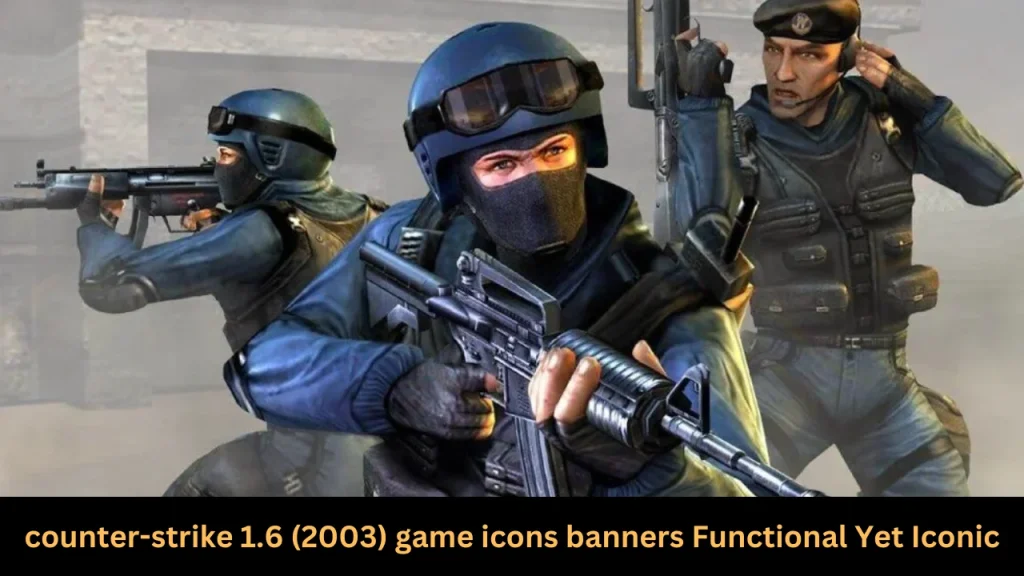
Game icons, while functional, carry significant symbolic weight in video games. The it were no exception. These icons ranged from simple in-game icons, such as team selection icons, to icons that indicated weapons or objectives. However, it’s the logo itself that became the most recognizable.
The classic Counter-Strike silhouette of a soldier, often paired with the iconic yellow or blue backgrounds, became synonymous with the game. This icon was used on everything from desktop shortcuts to loading screens, and it was instantly recognizable. It not only represented the game but also reminded players of the competitive edge and strategic depth that Counter-Strike 1.6 (2003) offered.
Evolution of Banners and Icons Over Time
As Counter-Strike evolved with later versions, the became a representation of nostalgia for many players. The simplistic design of 1.6-era banners and icons was a stark contrast to the more detailed and intricate designs of modern games. However, this simplicity is what made the 1.6 designs so memorable. Many gaming websites and fan communities continue to use these banners and icons today, even as Counter-Strike: Global Offensive (CS: GO) has taken over as the more modern iteration of the game.
Several key design elements of the continue to influence newer designs in subsequent versions of the game. The color schemes, typography, and overall layout of the banners have remained consistent, preserving the legacy of the original.
| Feature | Counter-Strike 1.6 (2003) | Modern Counter-Strike: GO |
|---|---|---|
| Design Style | Simple, bold fonts, tactical imagery | Detailed, high-res, futuristic designs |
| Color Scheme | Yellow and blue accents | Dark tones with red highlights |
| Icon Use | Game modes, player icons, logo | Advanced icons for skins, weapons, tournaments |
| Banner Placement | Server listings, forums, mods | Streaming platforms, esports tournaments |
| Player Customization | Limited to mods and servers | Expanded through Steam Workshop, skins |
The table shows that the minimalist design of holds a timeless appeal. Modern adaptations have embraced higher resolution and intricate details, but the original simplicity still resonates with gamers who experienced the early 2000s gaming culture.
Cultural of Counter-Strike 1.6 (2003) Game Icons Banners
As the esports industry grew, became a defining feature in tournaments and online communities. These visual elements symbolized more than just the game. They represented the competitive spirit, teamwork, and skill development that players cherished. The game icons and banners provided an easily recognizable emblem for fans to rally around. Fostering a strong sense of identity.
Even today, players and enthusiasts of Counter-Strike 1.6 (2003) continue to use . These icons and banners as nostalgic reminders of the game’s golden years. It is not uncommon to find older banners being reused in community servers or fan events. Further cementing their role in gaming history.
The Legacy of Counter-Strike 1.6 (2003) Game Icons Banners
The left a lasting legacy in the gaming world. They became the hallmark of one of the most beloved and long-lasting multiplayer games. While the game itself went through numerous updates and iterations. The classic icons and banners of 1.6 have stood the test of time, remaining a key part of the game’s visual and cultural identity.
As gaming continues to evolve, the impact of is undeniable. They played a significant role in not only promoting the game but also in uniting a global community of players. These visual elements, though small in nature, carried the weight of the game’s legacy and contributed to the long-lasting popularity of Counter-Strike as a franchise.
Frequently Asked Questions
What are the primary elements of Counter-Strike 1.6 (2003) game icons banners?
The primary elements include the iconic Counter-Strike logo, images of tactical gear, weapons, and bold fonts used in both in-game icons and promotional banners.
Where were Counter-Strike 1.6 (2003) game banners commonly used?
These banners were commonly used on server listings, gaming forums, and community websites to promote servers, tournaments, or mods.
Why are Counter-Strike 1.6 (2003) game icons and banners still relevant?
They hold nostalgic value for the gaming community. Representing a key period in competitive gaming history, and continue to be used by fan communities today.
Conclusion
Counter-Strike 1.6 (2003) game icons banners are more than just graphics. They are symbols of a generation of gamers who thrived on competition, teamwork, and community. The simplicity and effectiveness of these icons and banners contributed to the game’s success and left an indelible mark on the gaming world. Even as the game has evolved, these visual elements continue to resonate. With players, making them a critical part of the Counter-Strike 1.6 experience.


